Доступна русская версия сайта
- Поддержка на русском языке
- Оплата российскими картами
На этом сайте принимаются только международные карты
A Guide to Neural Networks 2026: Which Digital Assistant Should You Choose?
How popular neural networks differ in 2026 and which one to choose for writing, creative work, programming, and finding information online
Free access to Chat GPT and other neural networks
 Open Chat →


Neural networks are everywhere now. Today, they help us write texts, create images, program, plan budgets, and tackle all kinds of tasks.
But as the number of models grows, figuring out which one suits you is becoming harder. In this guide, we explain how popular neural networks differ and which ones are best suited to creative work or extended coding sessions.
Universal — for any task
1. GPT-6.1 Terra — “A Workhorse for Complex Tasks”

GPT-6.1 Terra is a model for those times when you need a reliable everyday assistant. It handles writing, analysis, programming, documents, and tasks where you need to understand a situation rather than simply get an answer.
It is a good option if you want one neural network to help with both work and everyday tasks.
Real-life example: You have several expense spreadsheets, a pile of notes, and a list of financial goals for the year. Terra can help organize everything: identify patterns, create a clear report, and suggest ways to optimize your budget.
2. Claude Sonnet 5.5 — “An Attentive Editor”

Claude Sonnet 5.5 is especially good when details and following instructions precisely matter. It works carefully with long texts, preserves the author’s style, and helps turn complex material into a finished result.
A great choice for documents, analysis, programming, and tasks that require care and precision.
Real-life example: You have written a long text for your website, but it turned out too complicated. Sonnet can make it clearer, remove unnecessary details, and preserve your style — like a good editor.
Advanced — for serious tasks
1. Claude Fable 5.1 — “A Creative Partner”

Fable 5.1 is a model for people who need to create something new as well as analyze information. It helps brainstorm ideas, write scripts, develop concepts, and find unconventional solutions.
A good choice for marketing, creative work, and tasks that call for imagination.
Real-life example: You need an advertising campaign for a new product. Fable can help develop the concept, slogans, video scripts, and visual style options.
2. GPT-6 Astra — “The Lead Analyst”
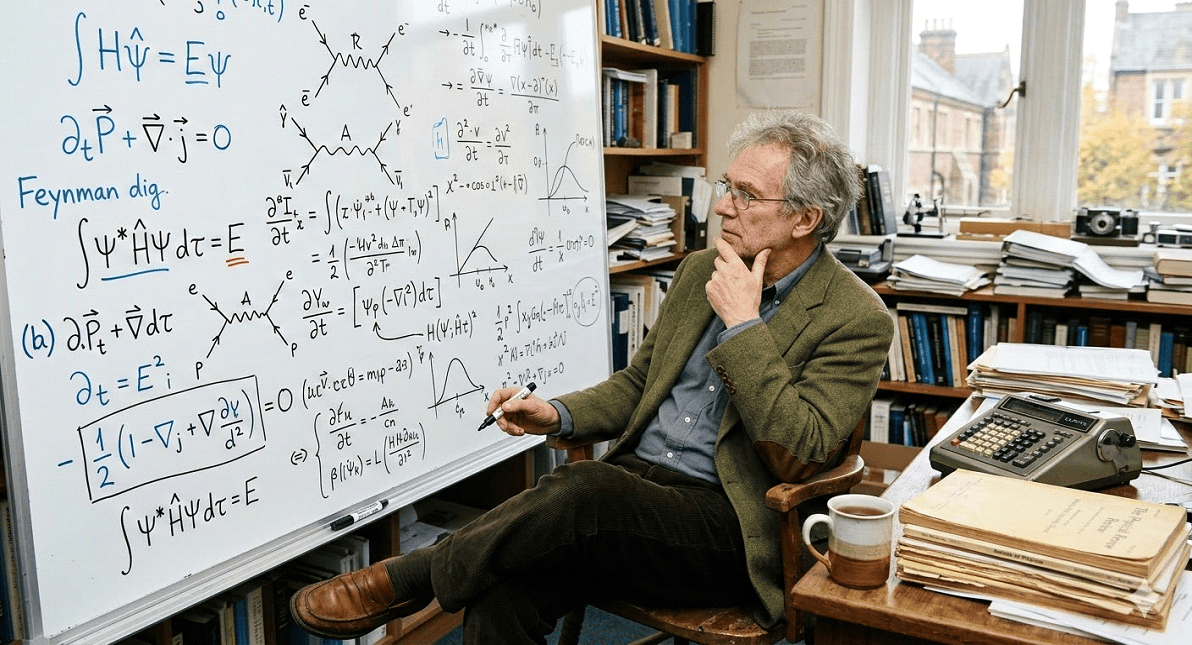
GPT-6 Astra is a flagship model for the most complex tasks. It shines when you need to think deeply, compare a lot of information, and find the best solution.
Suitable for research, complex programming, strategy, and working with large amounts of data.
Real-life example: You want to start a business and have market research, financial calculations, and ideas from competitors. Astra can help bring everything together, identify risks, and prepare an action plan.
3. Gemini 4 Argon — “An Expert with a Good Memory”

Gemini 4 Argon is well suited to working with large amounts of information: documents, images, and complex queries.
The model is especially useful when you need to get up to speed on a new topic or understand something unfamiliar.
Real-life example: You send a photo of an old device, its instructions, and a description of the problem. Gemini can help identify the model, find the information you need, and explain the solution in plain language.
Fast — when you urgently need to find something or come up with an idea
1. Claude Haiku 5.5 — “A Fast Assistant”

Haiku 5.5 is a compact model that is great for small everyday tasks: writing an email, translating text, brainstorming ideas, or quickly editing a message.
Real-life example: Before sending an important email to a client, you need to check its tone and fix errors quickly. Haiku can do that in a few seconds.
2. GPT-6 Luna — “Free Creativity at Speed”

Your backup when you reach the limits on more powerful models. On our Chat AI platform, you can use this model without limits. GPT-6 Luna is a fast option for generating ideas, writing texts, and handling everyday tasks.
A good fit when you need a quick result: coming up with a name, writing a post, making a list, or answering a question without a long wait.
Real-life example:
You are planning a weekend trip and want an itinerary, a list of places to visit, and ideas for things to do in just five minutes.
With internet access — when you need to Google something
1. Gemini 3.8 Flash Search — “A Fast Researcher”

When you need current information as well as reasoning, models with internet access come in handy.
Gemini 3.8 Flash Search helps you quickly find data, compare options, and work with information in real time.
Real-life example:
You are choosing a new laptop. The model can help compare specifications, find recent reviews, and check current prices.
2. Perplexity — “A Next-Generation Search Engine”

Perplexity is built for finding information. Instead of giving you dozens of links, it puts together an answer and shows the sources it used.
A great tool for research, studying, and fact-checking.
Real-life example:
You want to figure out which neighborhood to move to. Perplexity can gather information about prices, transport, safety, and other important factors.
Which neural network should you choose?
Each model has its strengths. One handles code and complex tasks better, another helps create ideas and texts, and a third finds fresh information faster.
There is no single “best” neural network for every situation. The best assistant is the one that suits your particular task.
On Chat AI, you can try different models in one place: send the same prompt to several neural networks and compare the results.
Give it a try!
Полезные материалы
Все новости и обновления Chat AI →Free access to Chat GPT and other neural networks
Open Chat →
You might also like
-
 Chat AI
A major update to Chat AI: Google Omni, Midjourney 8.1, and Ideogram 4 are now available!
Chat AI • -
 Chat AI
Claude Fable 5: The Smartest Model in the World? 🤖🏆
Chat AI • -
 Chat AI
🚀 Chat AI Bot's big update is out today!
Chat AI • -
 Chat AI
Grok 4.3: A New Leap from xAI 🚀
Chat AI • -
 Chat AI
We have learned to understand you even better! 🧑💻
Chat AI • -
 Chat AI
 is now on the App Store! 🍎
Chat AI • -
 Chat AI
GPT 5.5 is the new world leader! 👑
Chat AI • -
 Chat AI
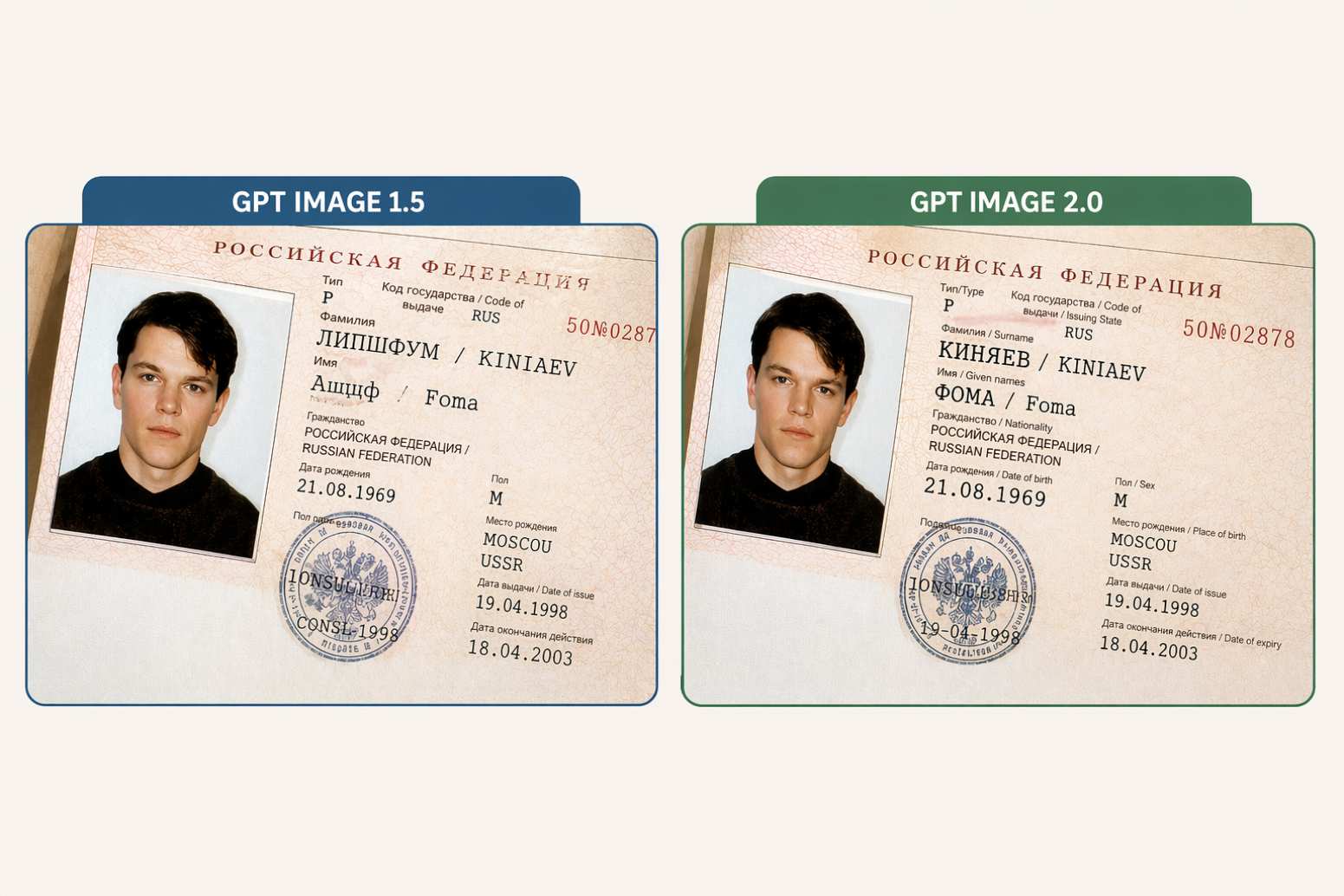
GPT Image 2.0 is out—it finally generates images with Russian text! ✏️🖼️
Chat AI • -
 Chat AI
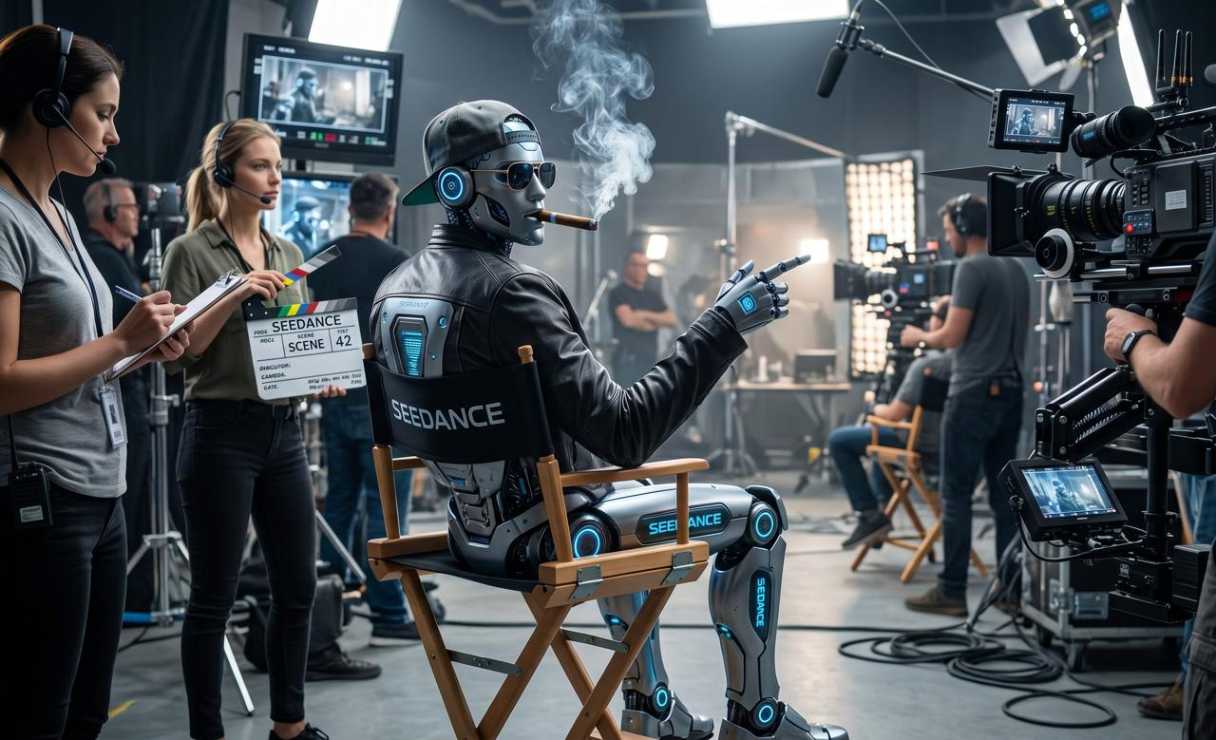
Meet Seedance 2.0 – your professional director and editor 🎥
Chat AI • -
 Chat AI
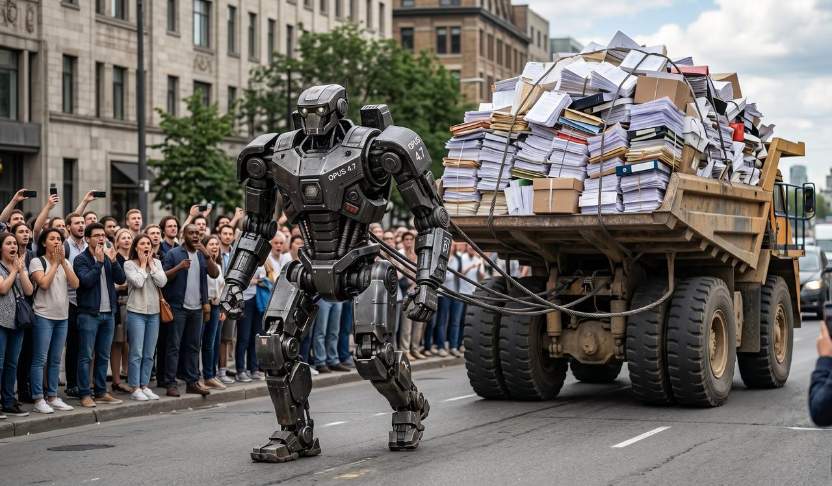
Claude Opus 4.7: More precision, more usefulness! 📈
Chat AI • -
 Chat AI
Google Drive Integration: Analyze Documents, Spreadsheets, and Presentations with AI
Chat AI • -
 Chat AI
9 Neural Network Artists: How to Choose the Perfect Model for Your Task
Chat AI • -
 Chat AI
OpenAI has released a new model, GPT-5.4. It's now available on our portal! 🚀
Chat AI • -
 Chat AI
Meet Nano Banana 2 – a new level of visual intelligence 🍌⚡️
Chat AI • -
 Chat AI
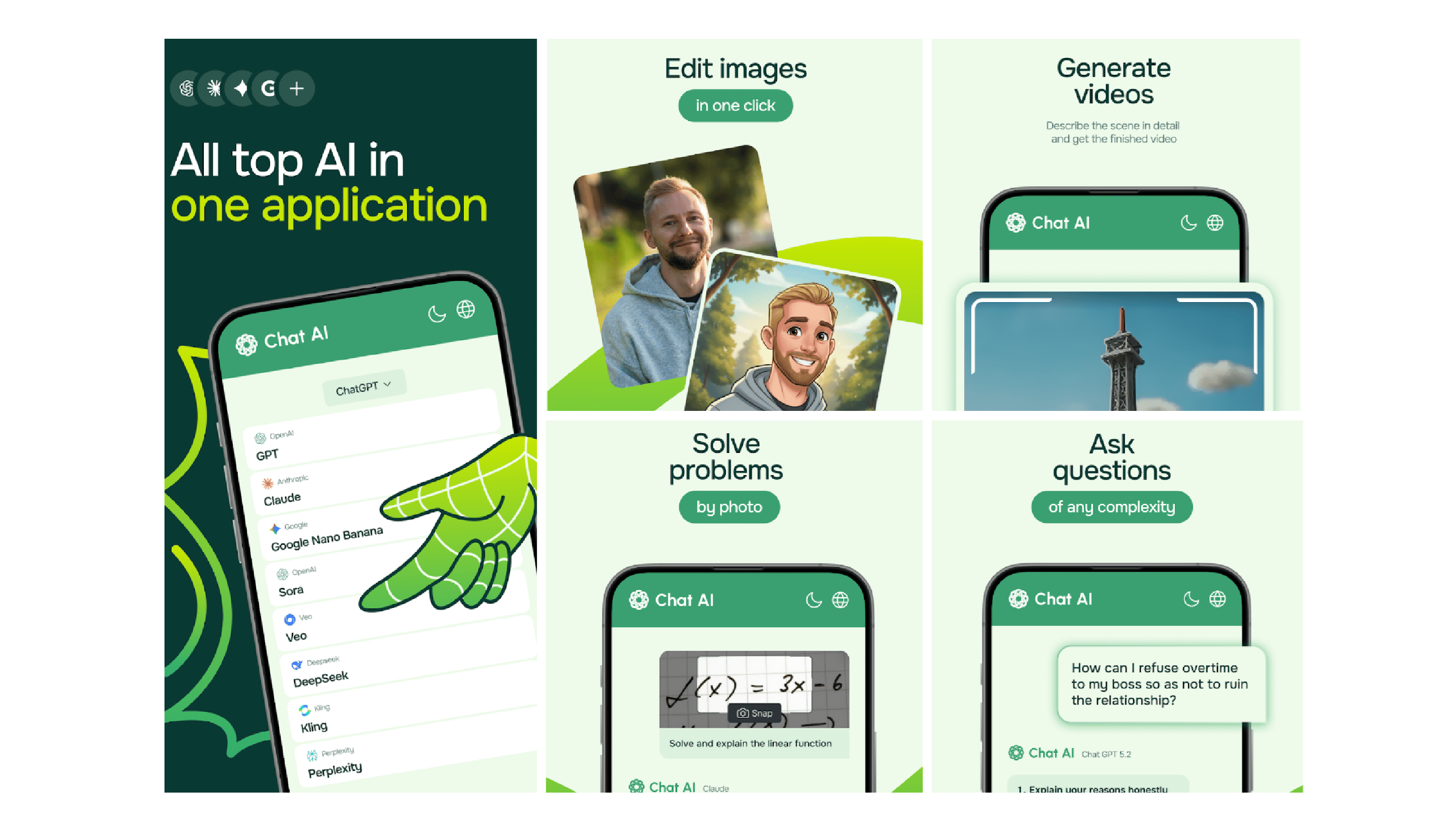
Chataibot now has an app! 📱
Chat AI • -
 Chat AI
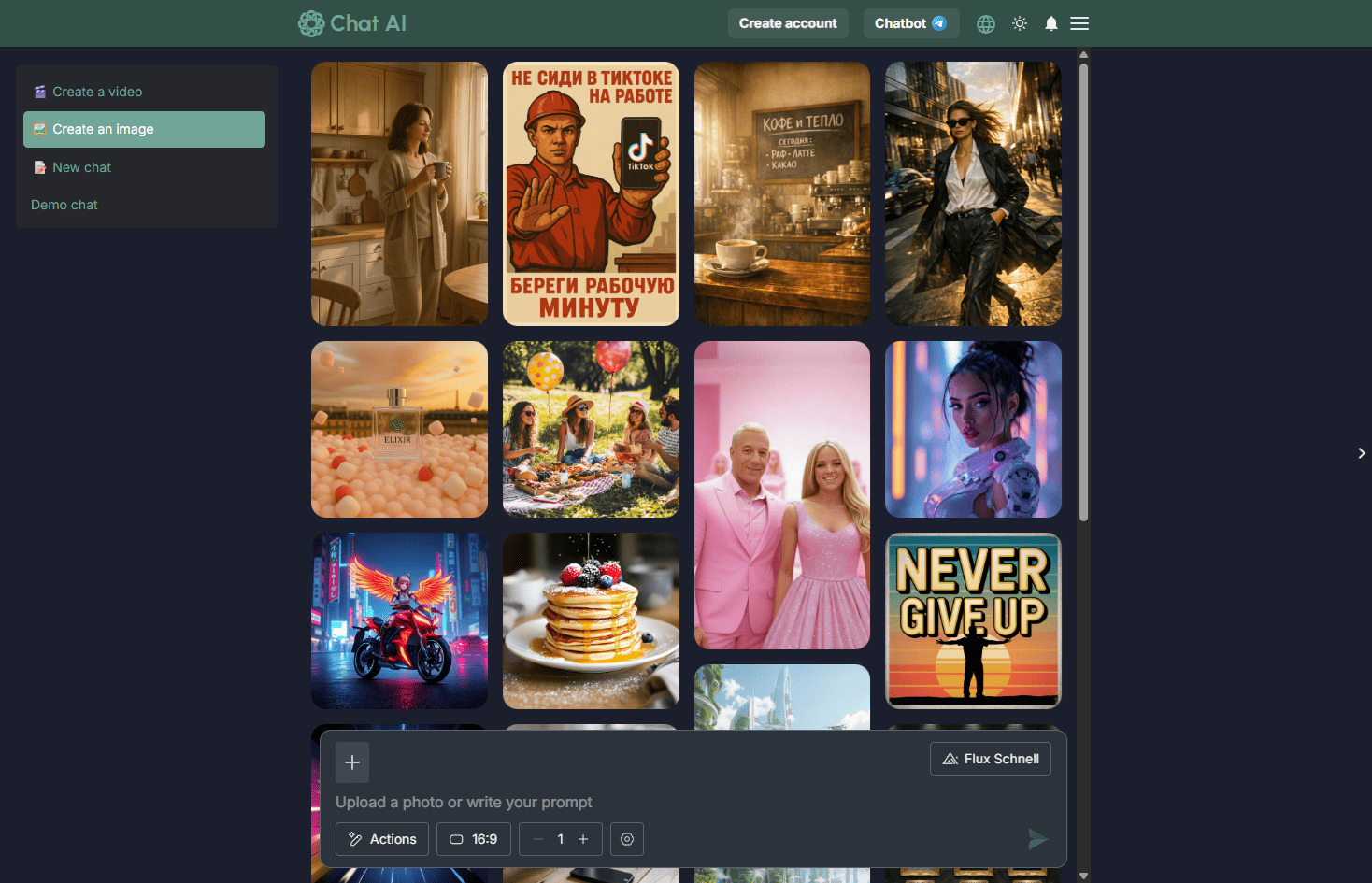
Our chat with images has become more convenient! 🛠️
Chat AI • -
 Chat AI
Claude has noticeably improved 💪
Chat AI • -
 Chat AI
A new and powerful player in the AI market: Qwen! 🚀
Chat AI • -
 Chat AI
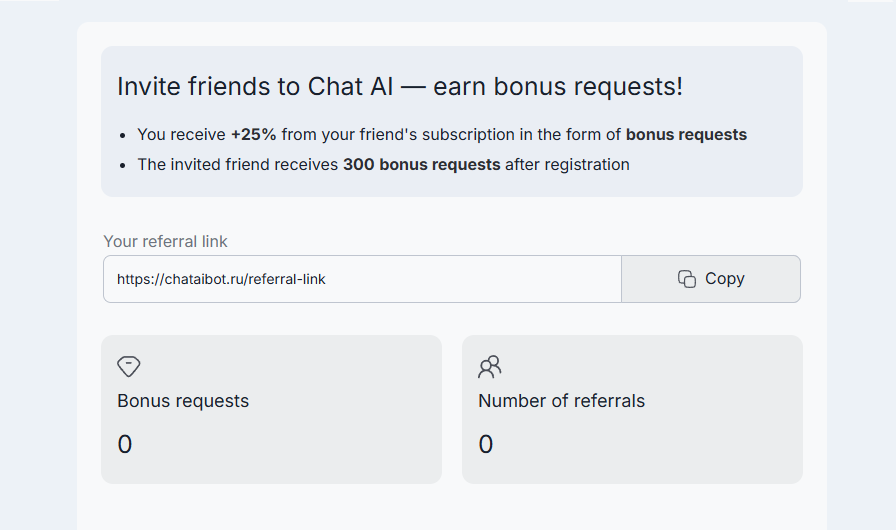
We've launched a referral program. How does it work?
Chat AI • -
 Chat AI
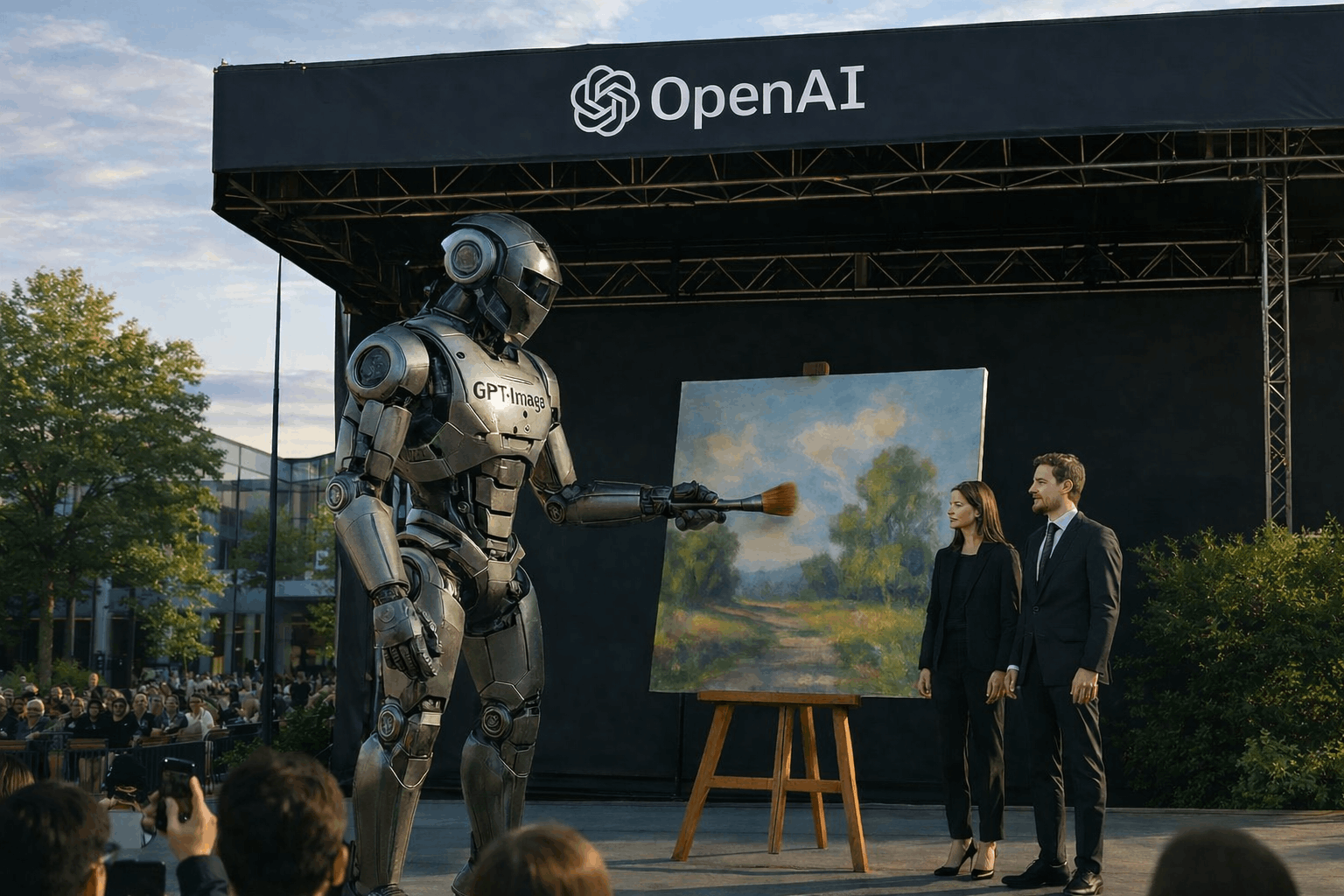
We've released GPT Image 1.5, a very powerful image generator 🖼️🧑🎨
Chat AI • -
 Chat AI
Veo? Sora? Kling 2.6 is out—and it's just as good!
Chat AI • -
 Chat AI
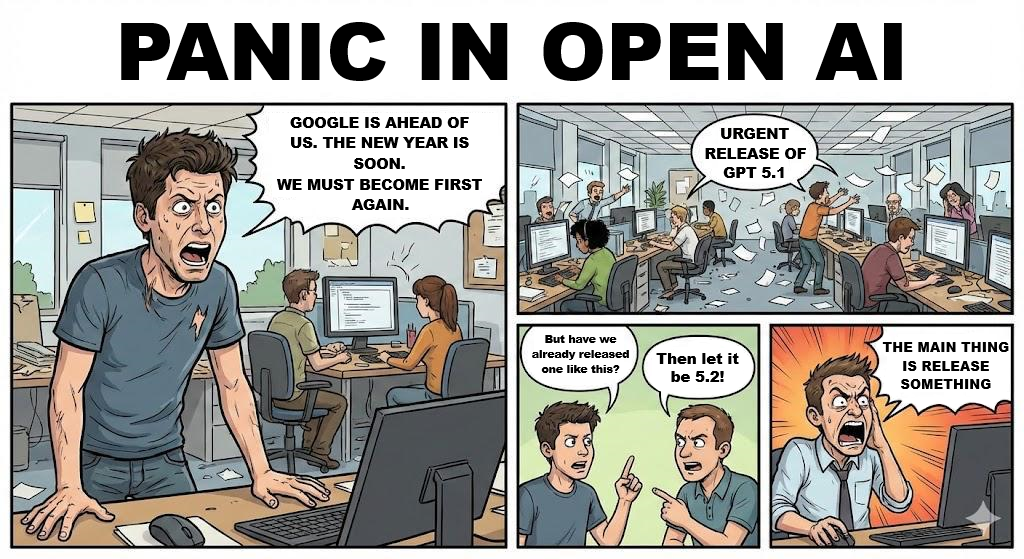
Introducing GPT-5.2 – a very serious model!
Chat AI • -
 Chat AI
Now you can see what you spent your requests on📊💵
Chat AI • -
 Chat AI
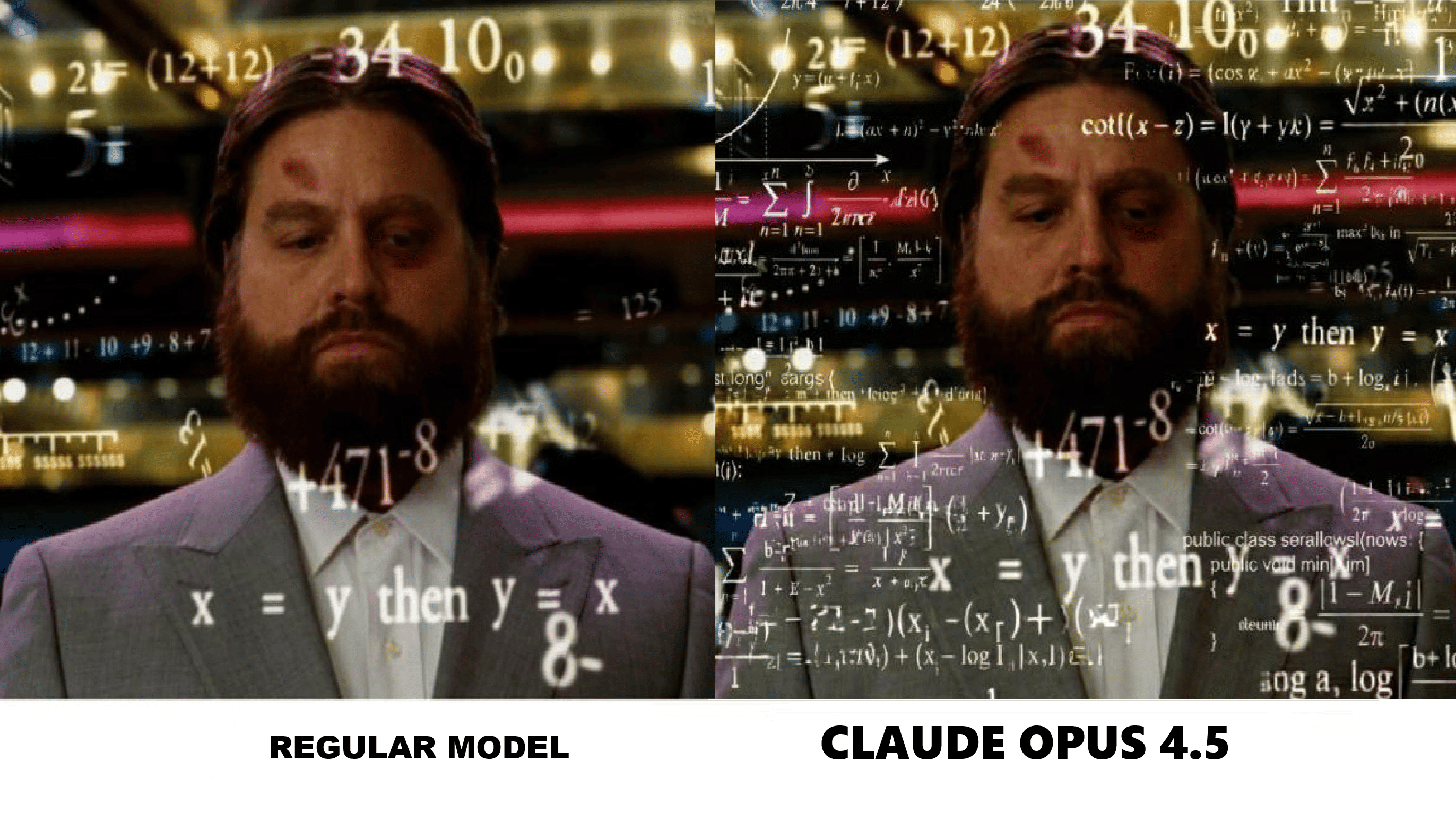
Meet the heavy artillery – Claude Opus 4.5 🧠
Chat AI •